
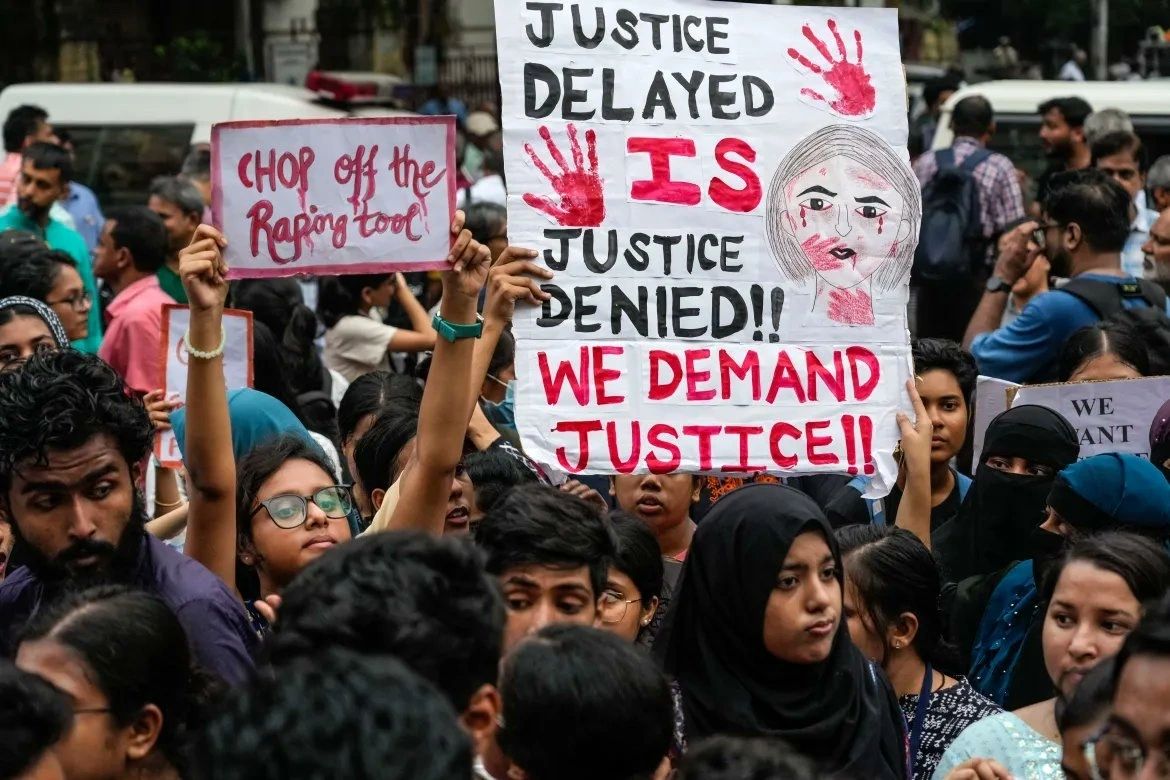
India has seen remarkable progress in various spheres, but the persistent issue of women’s safety, particularly in the context of crimes like rape and murder, remains a severe and unsettling challenge. The harrowing stories of women being assaulted and murdered continue to dominate headlines, sparking outrage yet often leading to limited long-term change. The recent horrifying incident at RG Kar Medical College in Kolkata has once again underscored the urgent need for a comprehensive approach to address these brutal crimes.
The Current Situation: Alarming Statistics
Crimes against women, particularly rape and murder, have reached alarming levels in India. According to the National Crime Records Bureau (NCRB), over 31,000 cases of rape were reported in 2021, and an even greater number went unreported. The conviction rate remains abysmally low, often below 30%, and cases drag on for years, subjecting victims and their families to further trauma. In rural India, where patriarchal norms are deeply entrenched, these crimes are compounded by a lack of access to justice, safety infrastructure, and support systems. Many women in rural India are unaware of their legal rights or the protections available to them under the law. This lack of awareness extends to their families and communities, where there may be little understanding of how to navigate the legal system.
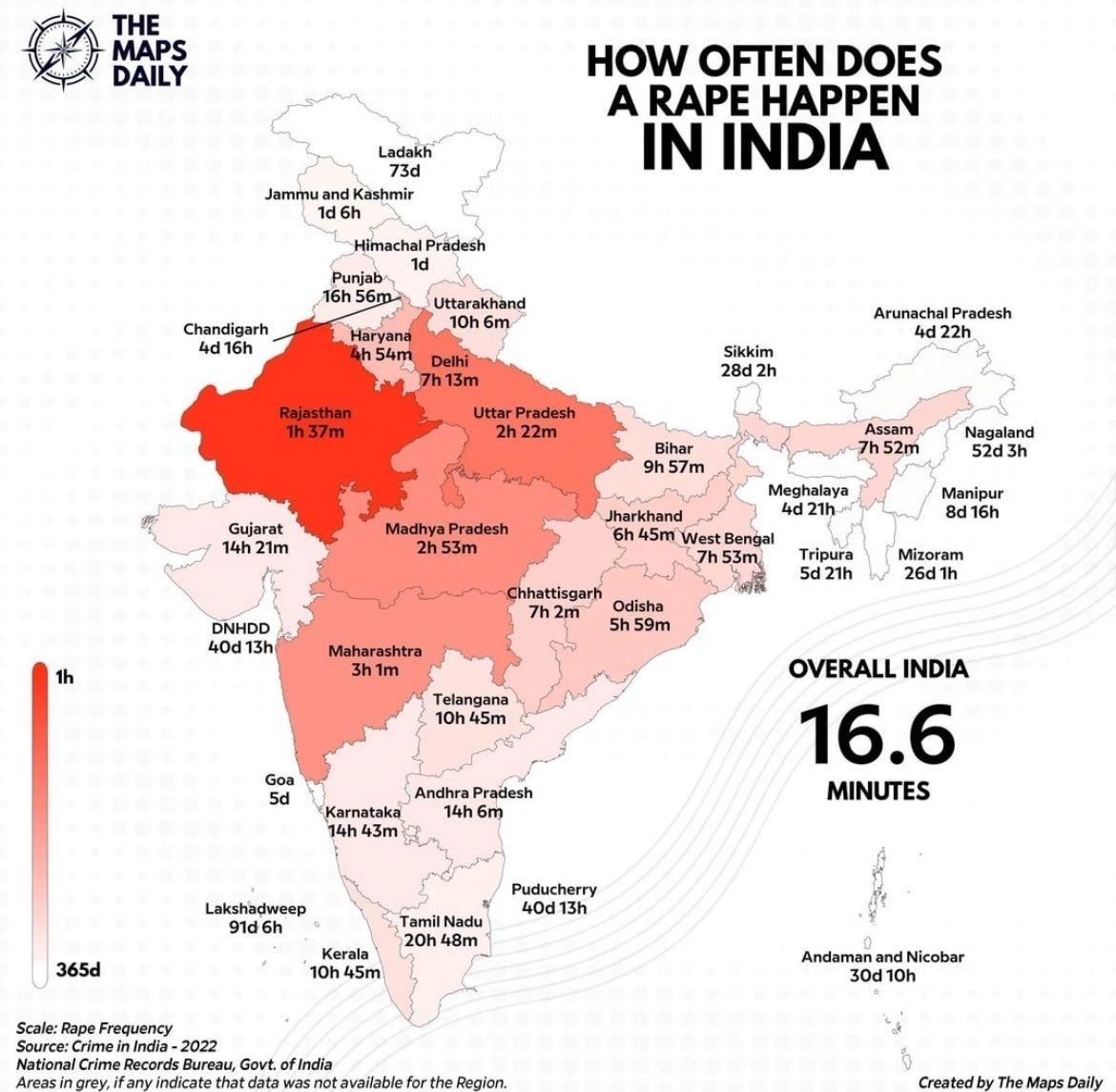
There is widespread discussion among the youth about how to ensure women's safety and justice against sexual crimes. Among the various solutions, capital punishment for the perpetrator is the most commonly heard. However, reducing crime and ensuring justice requires a more comprehensive approach that involves gradual implementation of multiple strategies. A few of these strategies are outlined below.
Strengthening Legal and Judicial Mechanisms
1. Expanding Fast-Track Courts: One of the most pressing needs is the establishment of more fast-track courts dedicated to handling cases of rape and murder. The judicial backlog often results in years of delay, allowing perpetrators to evade justice while victims and their families languish. Fast-track courts should prioritize cases of sexual violence and murder, ensuring that they are handled swiftly and efficiently. These courts should be equipped with trained judges and legal staff who specialize in handling sensitive cases involving gender-based violence.
2. Strengthening Laws and Ensuring Accountability: While India has stringent laws like the Criminal Law (Amendment) Act, 2013, there is a need for continuous reform. Penalties for rape and murder must be further strengthened, with clear mandatory minimum sentences for convicted offenders. Additionally, ensuring strict accountability for law enforcement agencies and officials who fail to properly investigate or prosecute these cases is crucial. The misuse of power by local authorities often leads to delays, cover-ups, or even victim-blaming, which further erodes faith in the system. Laws must be amended to hold these officials accountable and to eliminate loopholes that allow perpetrators to escape justice.
Building Infrastructure for Women’s Safety
1. Expanding Police Presence and Resources: In many parts of India, particularly in rural areas, police infrastructure is inadequate. Women often have to travel long distances to reach the nearest police station, and the presence of women police officers remains minimal. The government must invest in establishing more police stations, especially in rural and underserved areas, with a focus on recruiting and training women officers. This can create a safer and more approachable environment for women to report crimes and seek protection.
2. Mobile Police Units and Community Policing: In remote areas where establishing permanent police stations may be challenging, mobile police units can serve as a crucial lifeline for women facing threats of violence. These units, staffed with trained officers, can patrol high-risk areas and respond rapidly to emergency calls. Additionally, community policing initiatives can involve local leaders and volunteers in ensuring the safety of women, particularly in villages where traditional policing may be limited. Community police officers can build trust and awareness within the local populace, making it easier for women to report crimes and seek help.
3. Leveraging Technology for Safety: Technology can play a pivotal role in enhancing women's safety. The government should invest in installing surveillance systems, such as CCTV cameras in public spaces and on highways, particularly in regions known for higher crime rates. Personal safety apps with built-in GPS tracking and emergency alert features should be promoted, especially among women in rural areas who may have limited access to immediate help. The integration of technology into law enforcement, such as centralized crime reporting systems and online case tracking, can streamline the process and make it more transparent.
Changing Social Perceptions: Ensuring Respect and Dignity for Victims
1. Public Campaigns to Shift Perceptions: A critical aspect of ensuring women’s safety is changing societal perceptions of victims of rape and violence. Far too often, victims are stigmatized, ostracized, or blamed for the crimes committed against them. Public awareness campaigns should be launched nationwide to emphasize that victims deserve respect, not shame. Educational programs in schools, colleges, and workplaces should promote gender sensitivity, teaching the importance of empathy and support for survivors of violence. This cultural shift is essential to create an environment where women feel safe to speak up and seek justice.
2. Government Support for Victim Rehabilitation: The government must also provide comprehensive support for victims of rape and their families. This includes financial aid, psychological counseling, and legal assistance to help victims rebuild their lives with dignity. Government-backed rehabilitation programs should offer vocational training and employment opportunities, enabling survivors to regain their economic independence. Ensuring the "saanman" (respect) of victims means treating them not as helpless individuals but as strong survivors deserving of all the support necessary to recover and reintegrate into society.
The Role of Education and Community Engagement
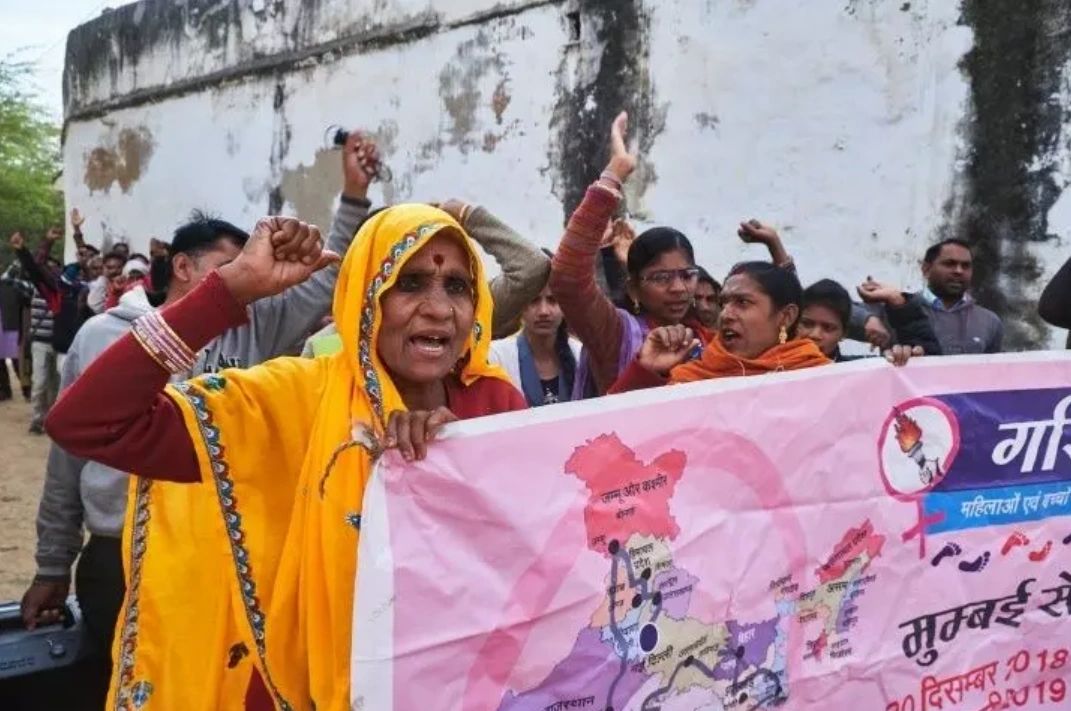
Photo courtesy: Indiatimes. This is 56 years old woman named Bhanwari Devi, who was gang-raped and brutalised 25 years and is still seeking justice for the crime.
1. Empowering Women Through Education: Education is a powerful tool in preventing crimes against women. The government must prioritize education for girls, particularly in rural areas, where dropout rates remain high. Schools should include curricula that educate both boys and girls about gender equality, respect for women, and the consequences of gender-based violence. Empowering young girls with knowledge and confidence can help them stand up against harassment and violence, while educating boys fosters a culture of respect and equality.
2. Engaging Local Communities: Engaging local communities, particularly in rural India, is vital in the fight against gender-based violence. Panchayats (village councils) should be actively involved in spreading awareness about women’s rights and the legal protections available to them. Regular community meetings, workshops, and gender-sensitivity training can help dismantle regressive norms that perpetuate violence. Community engagement efforts should also involve religious and cultural leaders who can influence public attitudes and behaviors towards women.
A Call for Government Accountability and Collective Action
Ensuring women’s safety in India requires not just laws and infrastructure but a societal shift that prioritizes the safety, dignity, and respect of every woman. Both the central and state governments must be held accountable for delivering on their promises to protect women and ensure justice. This includes transparent reporting on crime rates, regular audits of law enforcement agencies, and public disclosure of the progress made in establishing safety measures.
Beyond government action, ensuring women’s safety requires collective responsibility. Every Indian citizen must be a part of this change: whether by challenging gender norms, supporting victims, or holding authorities accountable. Only through a unified effort can we create an India where every woman, regardless of where she lives, can walk freely and live without fear.
The recent incident at RG Kar Medical College is a stark reminder that there is much work to be done. Now is the time for India to take bold steps to ensure that women are not just legally protected, but that they are truly safe, respected, and supported in every corner of the country.