

India Behaves Better
Better Citizens. Better Nation.
A small initiative with a simple belief:
Small habits create better citizens. Better citizens create a stronger nation.
Why This Initiative?
India doesn't become better only when governments improve.
India becomes better when citizens behave better too.
Our IBB initiative pushes exactly this message. We focus too much on infrastructure, governance, and politics, and too little on citizen behaviour.
Because a better India is not built by government alone, but by citizens who choose to act responsibly every day. A nation improves when state capacity + civic discipline improve together.
Starts with you.
❤️ Small habits. Better citizens. Stronger India.
The Problem Isn't India.
The Problem Is Our Everyday Habits.
Many of the challenges we see around us are not caused by a lack of infrastructure alone. They are often the result of small actions repeated by millions of people every day.
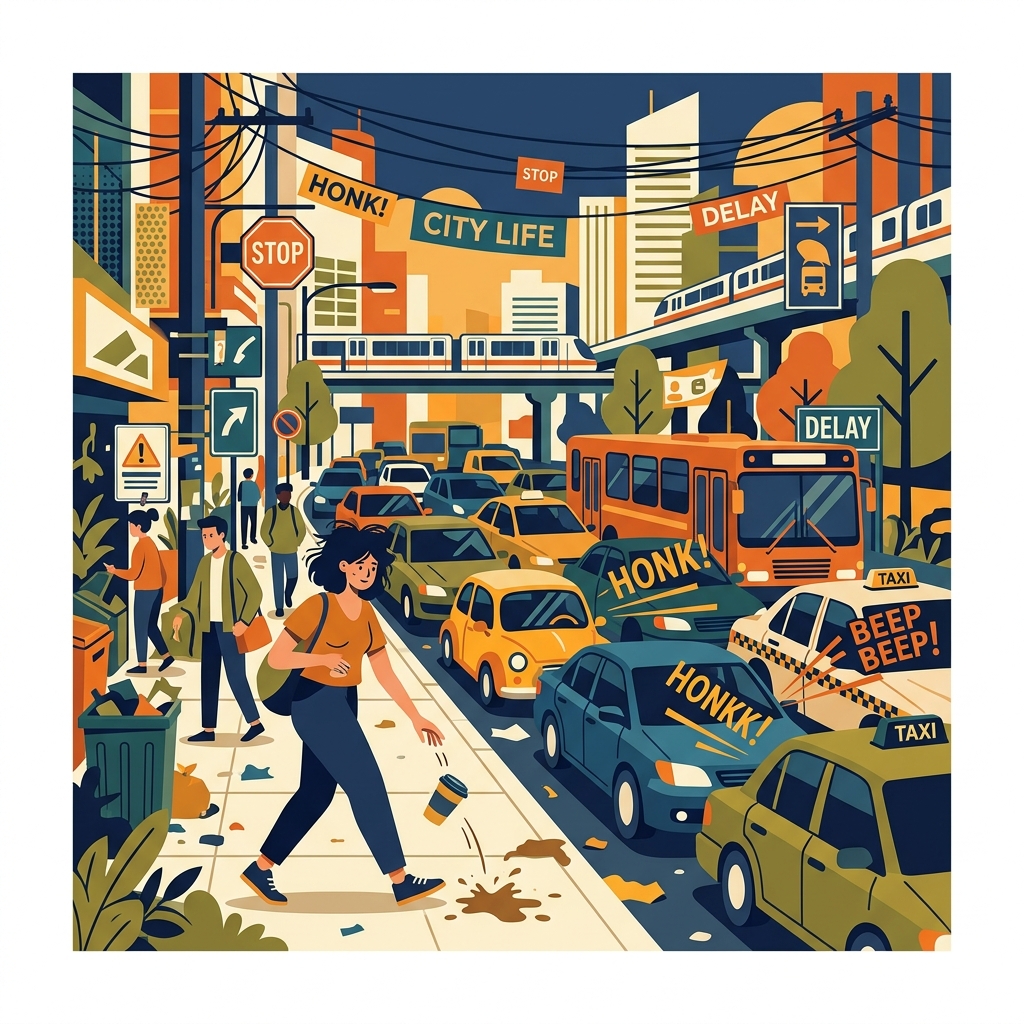
Individually, these actions may seem insignificant.
Collectively, they shape the quality of our cities, roads, public spaces, environment, and society.
The good news?
The solution doesn't require a new law, a new government, or a massive budget.
It starts with something much simpler:
Better behaviour.
The Psychology of Civic Sense
Civic sense is not just about knowing right vs wrong. It is about what becomes socially normal and subconsciously automatic.
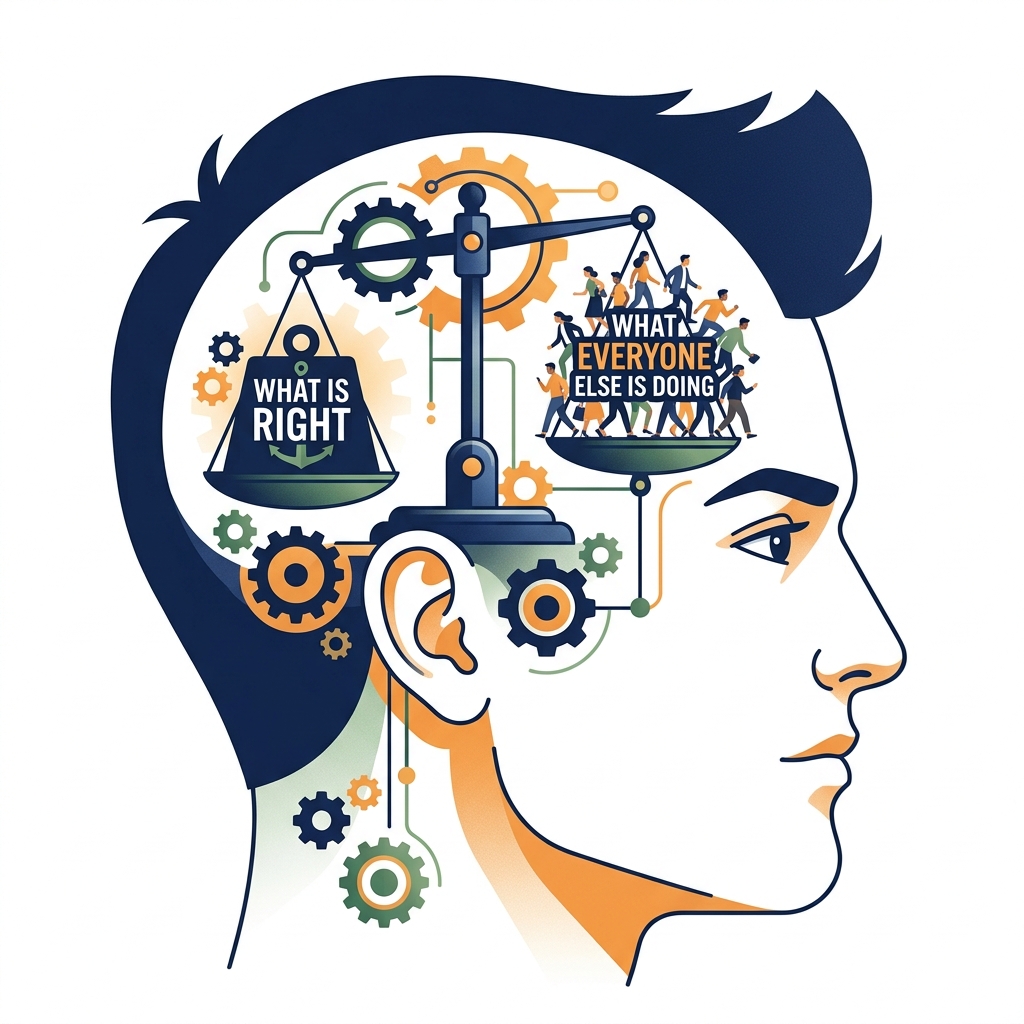
Most people don't consciously think:
"Today I will break traffic rules."
or
"Today I will litter."
Instead, their brain runs on shortcuts:
- Everyone is doing it
- Nobody cares
- Nothing happens anyway
- Why should I be the only disciplined one?
- My small action doesn't matter
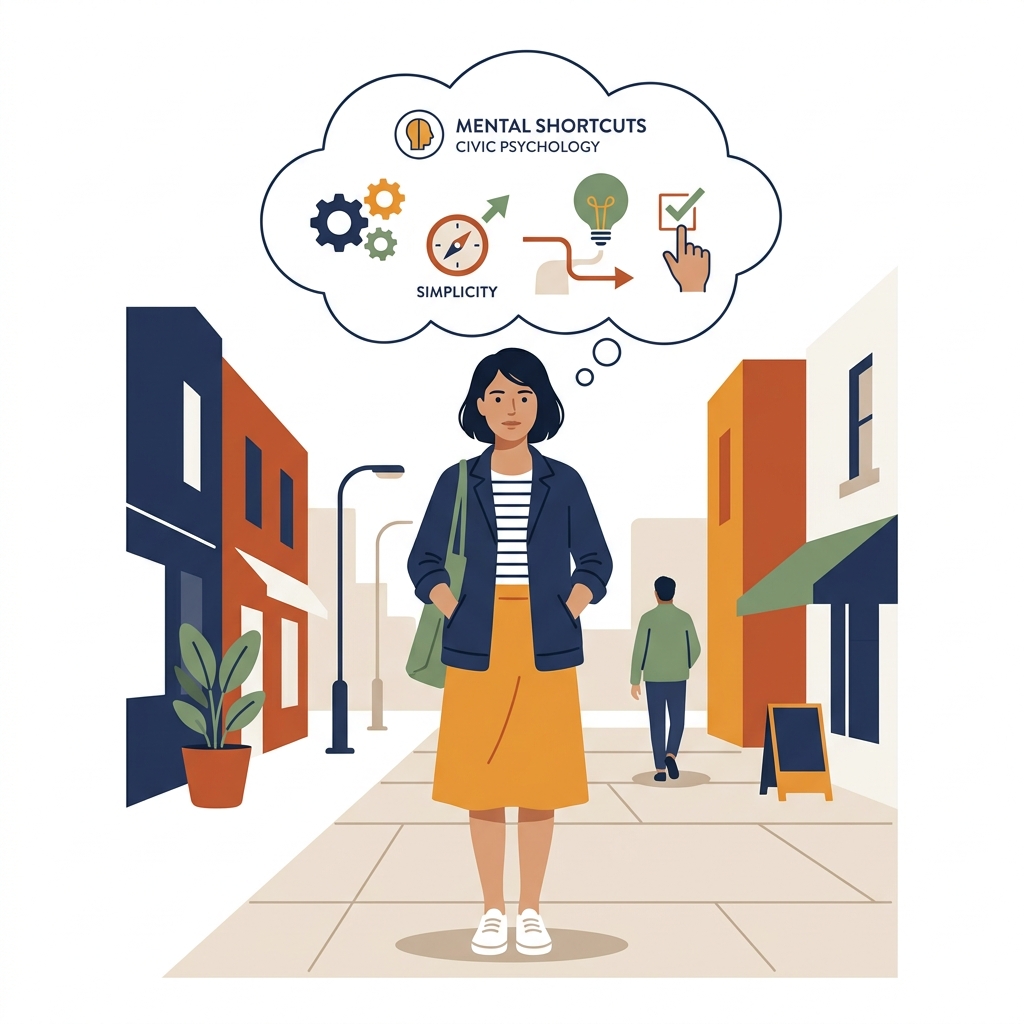
That is the real enemy: Normalized Indiscipline.
Human Behaviour
Human behaviour is highly influenced by social proof.
If a person enters a clean street where nobody litters, they hesitate before throwing garbage.
If the same person enters a dirty street full of trash, littering feels normal.
Same person. Different environment. Different behaviour.
Because humans constantly scan for:
- "What is normal here?"
- "How do people behave here?"
- "What is socially acceptable?"
This happens largely subconsciously. That's why civic issues spread like contagion.
The Contagion Loop
One person jumps a signal. Second person thinks: "He went, so I can go too."
One person breaks queue. Others follow.
One person drives on wrong side. Soon ten more join.
That's when indiscipline stops feeling like rule breaking.
It starts feeling like: "This is just how things work here."
And that is the hardest thing to change.
Because now you are not fighting ignorance. You are fighting culture, habit, and subconscious conditioning.
That's why awareness campaigns must do more than educate.
Make Good Behaviour Feel Normal & Automatic
Imagine a future where people subconsciously:
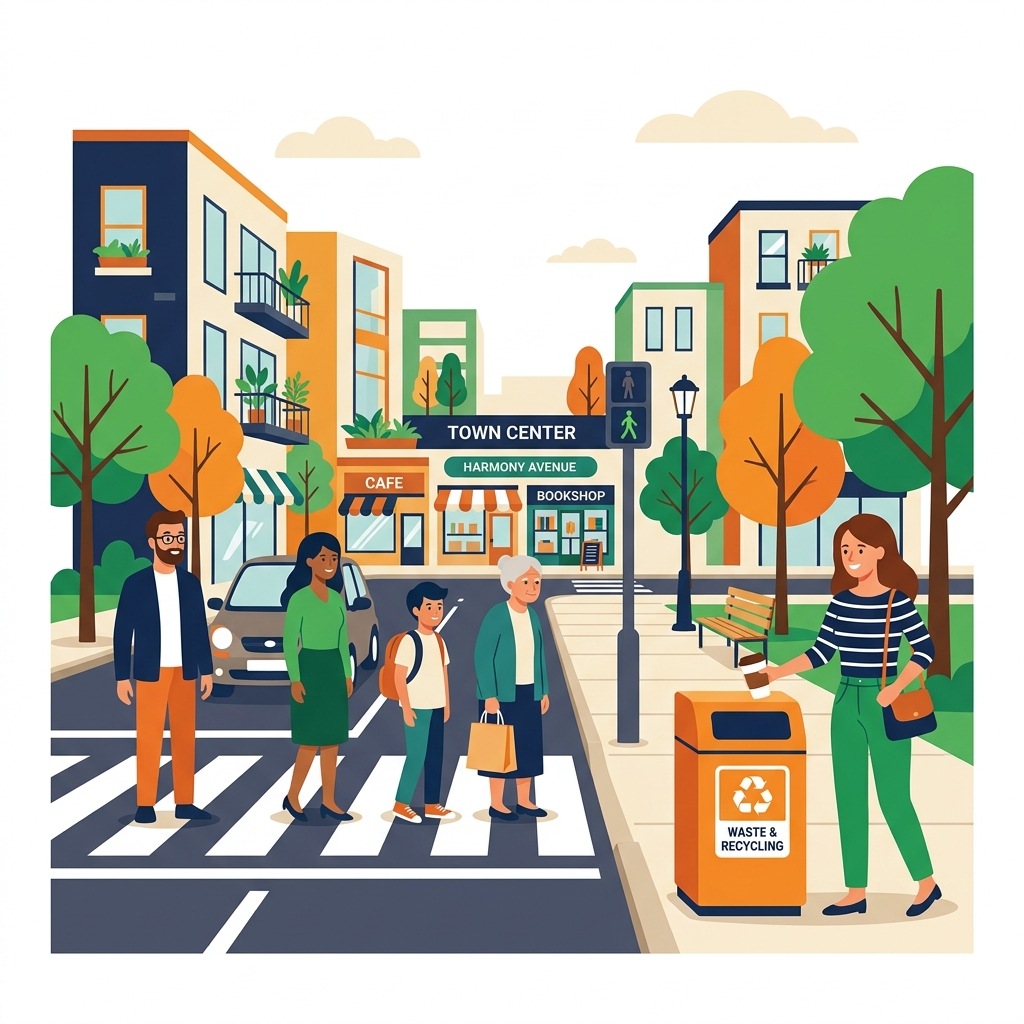
- ✓ Follow traffic rules Signals, lane discipline, no wrong-side driving
- ✓ Stop before zebra crossing & respect pedestrians
- ✓ Leave space for left / avoid blocking roads
- ✓ Don’t litter or spit in public
- ✓ Respect queues and public order
- ✓ Avoid unnecessary honking & noise pollution
- ✓ Protect public property Roads, parks, buses, trains, walls
- ✓ Prioritize public good over personal convenience
...not because police are watching, but because their mind says:
"This is how responsible citizens behave."
"This is what people around me do."
"This is normal."
That is when true civic transformation happens.
A society changes not when a few people behave well consciously, but when millions behave well subconsciously.
That's the mission of IBB.
We are not just trying to spread information. We are trying to change what feels normal in India.
And once behaviour changes at scale, culture follows.
A 5-Level Framework for Change
Government awareness combined with citizen initiative can work at 5 levels:
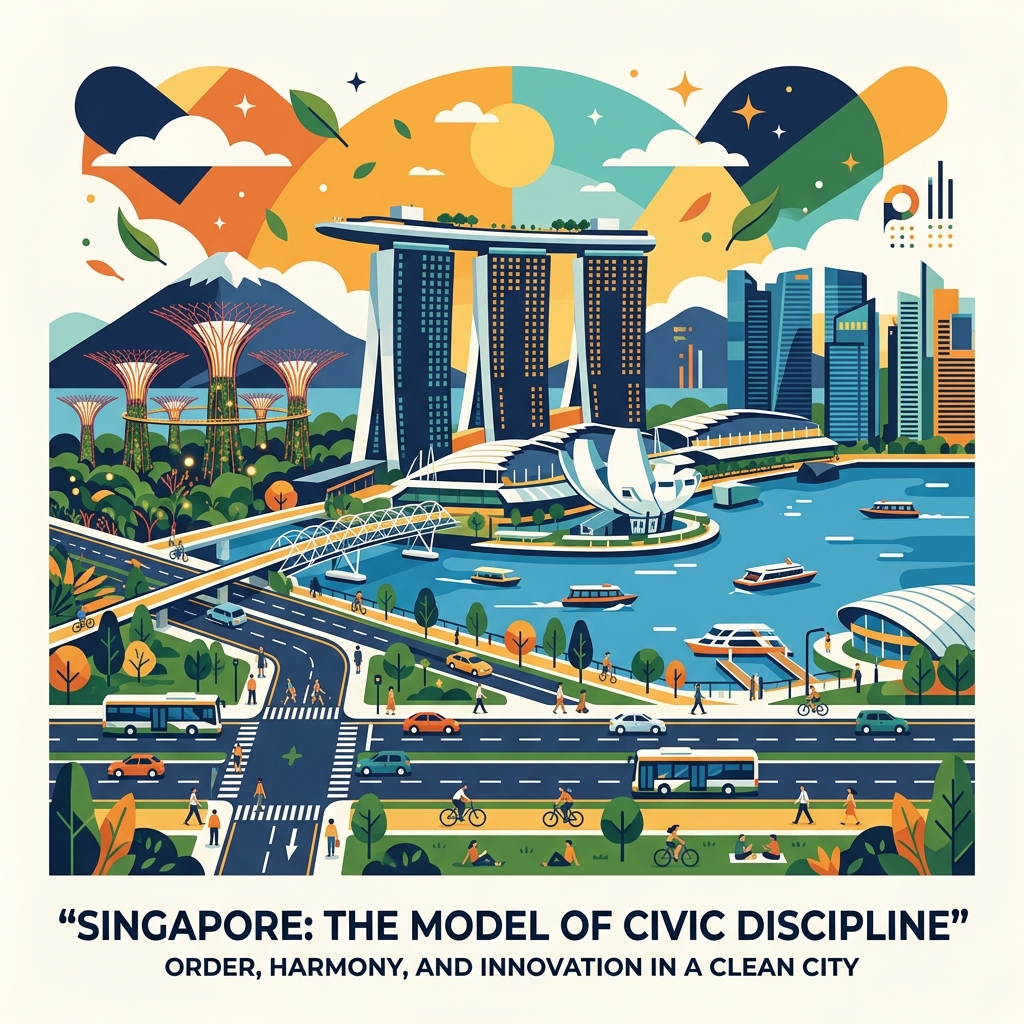
What India Can Learn from Singapore
Singapore’s civic discipline is not built on fines alone. It is built on a combination of:
- Strong Enforcement
People believe rule-breaking will be detected and penalized. - Low Tolerance for Indiscipline
Small violations like littering, spitting, and vandalism are not ignored. - Early Civic Education
Children are taught cleanliness, discipline, and respect for public spaces from a young age. - Strong Social Norms
Good behavior feels normal. People naturally follow rules because society expects it. - Good Infrastructure
Clean public spaces, proper road design, dustbins, and public facilities make responsible behavior easier.
Key Lesson for India
India already has laws against:
- Littering
- Spitting
- Vandalism
- Traffic violations
The bigger challenge is:
- Inconsistent enforcement
- Poor civic awareness
- Normalized indiscipline (“Sab karte hain”, “Chalta hai”)
The Way Forward
India needs:
- Better Awareness
- Better Camera Infrastructure
- Consistent Enforcement
- Stronger Social Norms
- Community Participation
"Laws control behavior temporarily.
Culture controls behavior permanently."
You cannot police 1.4 billion people into discipline.
That means culture matters even more.
The Biggest Missing Piece in India
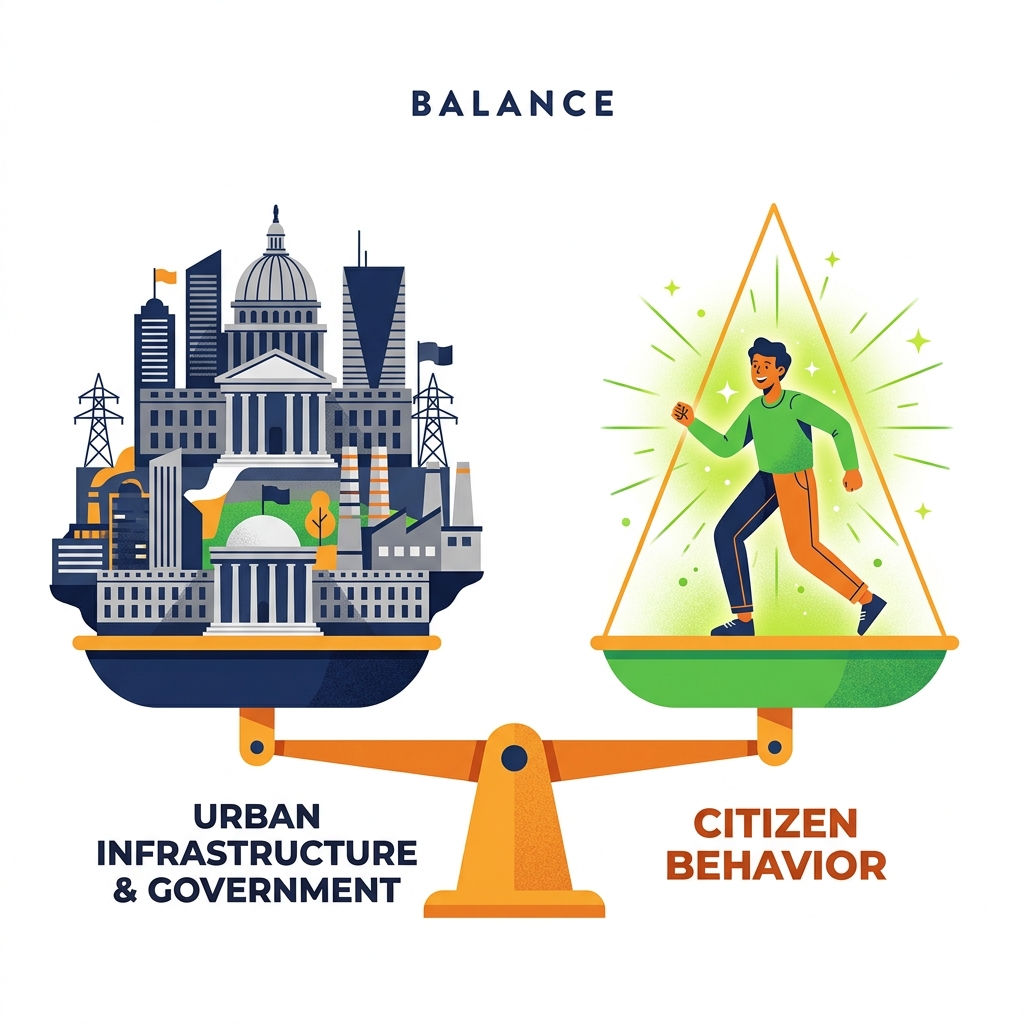
We focus too much on:
- Infrastructure
- Governance
- Politics
Too little on:
- Citizen behaviour
India doesn't become better only when governments improve.
India becomes better when citizens behave better too.
Small habits. Better citizens. Stronger India.
Follow @india.behaves.better